

Graukäse
The German name means “gray cheese.”
It is produced by allowing the milk to acidify naturally and filtering it.
It can be eaten fresh or aged, further enhancing its already strong flavor, partly due to the lack of rennet.
In South Tyrol, it is traditionally served with beer and slices of fresh onion.
Characteristics

Appearance
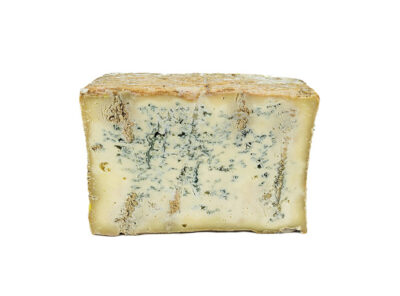
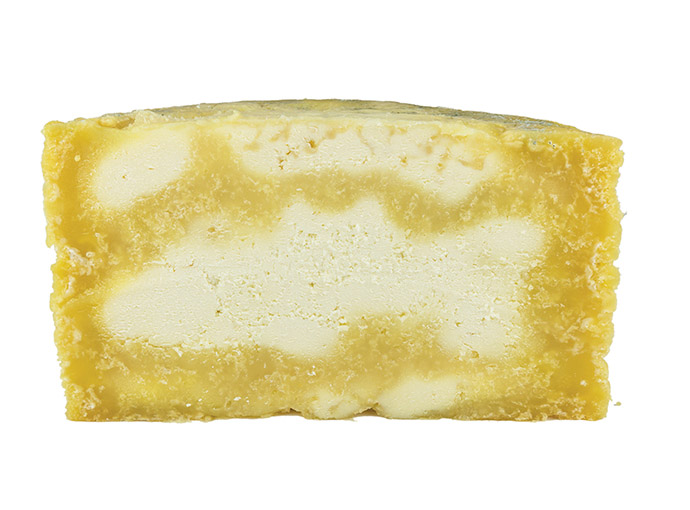
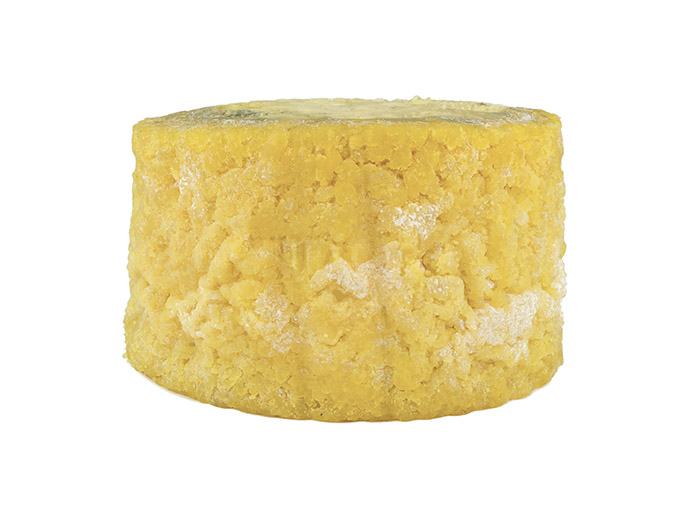
yellowish paste tending towards grey, soft and grainy
Taste
intense, with intense notes of hay and stable
Pairings
White wines, light and dark beer. Green tomato mustard, eggplant jam. Fresh fruit (William pears), sliced onion. Soft bread or rolls.
Technical specifications
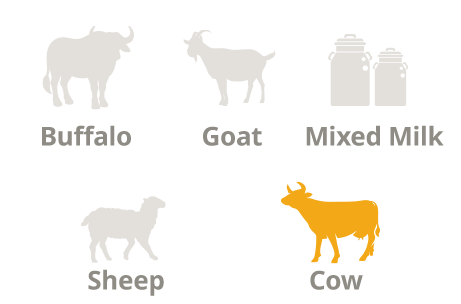
| Milk | cow's milk, skimmed milk |
|---|---|
| Processing | artisanal |
| Cheese paste | raw, unpressed |
| Salting | dry |
| Seasoning | minimum 5 days |
| Production | mainly summer |
| Fat | 3% Mgss |
| Weight | 1-2 kg |
| Diameter | variable |
| Producers | cheesemakers from the Aurina Valley and other valleys of Alto Adige |
| Whole Cheese Code | 89WO437 |
| Cutted Cheese Code | n/a |